
Digital Privacy: What It Is, Types, Risks, and How to Protect It
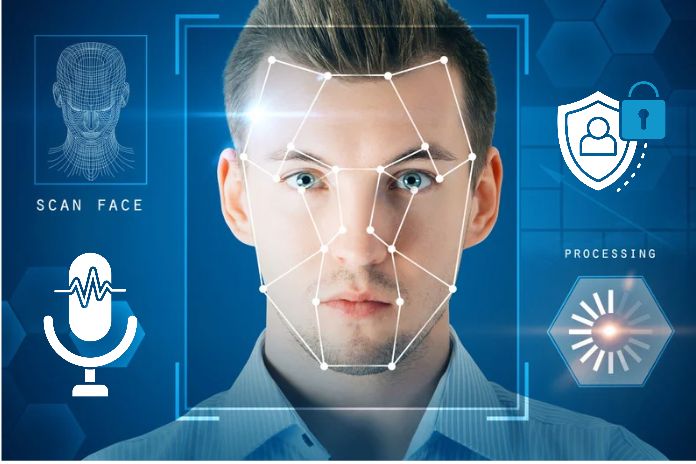
Digital privacy refers to how your personal information is collected, used, shared, and protected when you use the internet and online services. Every activity you do online may leave behind personal information. This may happen when browsing websites or when using social media or online accounts. It is very important for users to understand digital privacy. This may help users make wise decisions about their personal data. In this article, we explain digital privacy, its types and risks, and practical ways to protect your information online.
What Is Digital Privacy?
Digital privacy, or internet privacy, is the degree of control that users have over their personal content, especially when it is likely to be viewed, disclosed, used or sold by third parties without their permission.
The problem with digital privacy and the protection of personal data stems from the very nature of the internet as a global phenomenon, capable of circumventing existing local regulations. Therefore, users must take steps to safeguard their “digital footprint”, that is, the personal information generated through the use of these computer technologies. This term refers to:
- Passwords and usernames
- Online browsing history
- Bank account or card numbers
- Telephone numbers and postal addresses
- Intimate photographs, portraits, and videos
- Identification documents
This type of information can be entered voluntarily or involuntarily on the internet, where it is susceptible to being intercepted and exploited by third parties for both legal and illegal purposes. Therefore, social media, online forms, malware, and other similar mechanisms pose a risk to the control of personal data.
Characteristics of Digital Privacy
Broadly speaking, digital privacy is characterised by the following:
- It refers to all forms of online information. This includes both information that is automatically generated or recorded and information that users voluntarily share.
- It applies to all types of online services. It encompasses everything from social networks, forums, and commercial portals to video calls, messaging services, and similar services.
- It depends on individual management. The main way to protect privacy depends on each user’s care while using the internet.
- It involves real-world and digital risks. Neglecting digital privacy can lead not only to data loss but also to financial and legal losses and even physical risks.
- It is regulated both locally and internationally. Although local regulations exist regarding the commercial exploitation of private information, as well as the legal classification of cybercrimes, the global nature of the internet poses a challenge to privacy protection.
What Are the Types of Digital Privacy?
There are three fundamental types of digital privacy, each of which refers to a specific aspect of online data:
- Information privacy: This stems from the principle that internet users should be able to decide what information is collected about their online behaviour, through what mechanisms, and what that information will be used for. This is especially important when sensitive or personal data could directly affect their lives.
- Privacy of communications: It is based on the principle that internet users should enjoy privacy in their virtual communications so that interested third parties cannot listen to their conversations or read their messages.
- Individual privacy: It is based on the principle that internet users should be able to choose what content they are exposed to, what procedures to participate in, and what portals to visit.
Problems and Risks in Digital Privacy
Among the risks that the average internet user may face regarding the violation of their digital privacy are the following:
Tracking and Geolocation
Devices such as cell phones or the IP address of networked computers can reveal users’ geographic location to third parties with varying levels of detail. This includes their exact location, the total duration of their stay, and other details about their actual presence that could be exploited by third parties for crime and harassment.
Data Theft and Unauthorized Access
Through malicious software, others can gain access to internet-connected devices and use them to spy on users or as a source of exploitable confidential information. This private data can be sold to third parties, used for fraudulent transactions on behalf of the user, or for online blackmail under threats of disclosure.
Traffic Analysis
There are various applications that record users’ online habits and store information about which pages they visit and for how long. This information is then offered to third parties to support advertising campaigns or for other purposes unknown to the user.
Spam and Misleading Advertising
Spam consists of unsolicited messages or advertisements. Deceptive advertising and phishing can include false information or impersonate official communications to obtain user information. Often, these tactics lead to a barrage of advertisements or secondary dangers, such as computer viruses and malware.
Cyberbullying
Unrestricted access to personal information enables forms of abuse and harassment such as cyberbullying, in which one or more individuals humiliate, defame, or psychologically and emotionally harm another person, especially children and adolescents. These situations can lead to health and behavioural problems.
Importance of Digital Privacy
Digital privacy is fundamental to ensuring the correct, respectful, and safe use of the internet and social media. It is a digital complement to the precautions taken in real life and public spaces, since physical distance between users does not mean that real risks do not exist online.
In a hyperconnected and increasingly digital world, individual privacy seems to be under threat, especially from algorithms and automated computer routines that continuously mine information about users and their environment. This is one of the main ethical dilemmas facing global society in the 21st century.
On the other hand, the consequences of a lack of digital privacy can be catastrophic for users, ranging from the loss of important data or control over their digital accounts to suffering extortion, blackmail, or public humiliation. All of this also has a significant impact on the individual’s mental and emotional health.
How to Improve Privacy on the Internet?
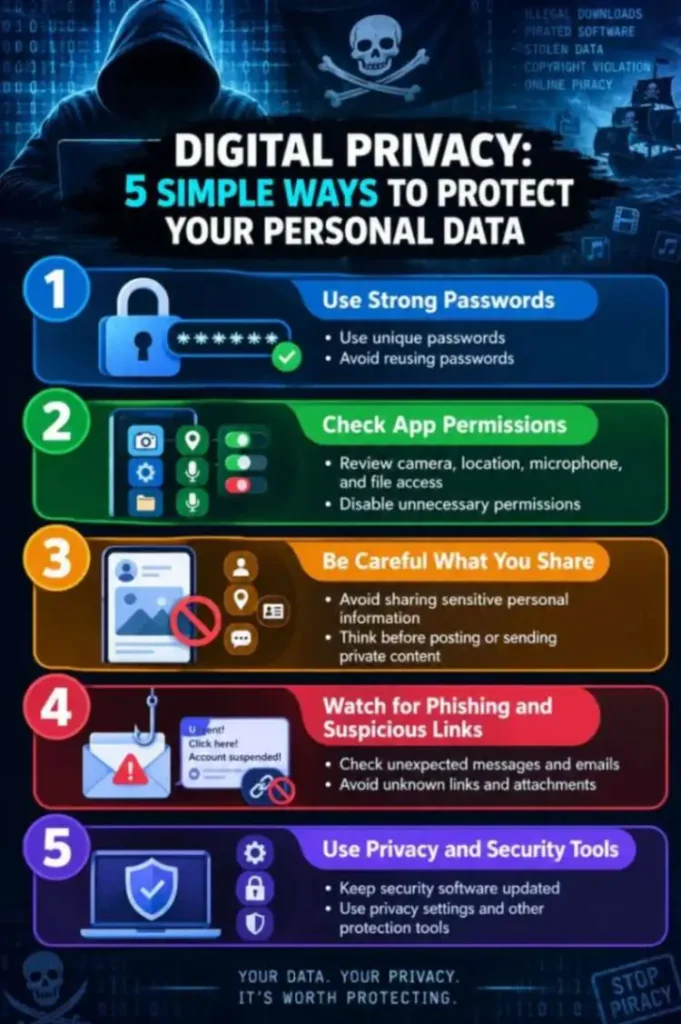
Some tips for protecting sensitive information and using the internet more responsibly in relation to privacy are:
Learn About Digital Privacy
The best way to prevent privacy problems is to have a basic understanding of how the digital world works so you can make more responsible decisions. It’s never a good idea to choose between several options without understanding the implications of each.
Control Application and Service Settings
Controlling the settings of applications and services is key. It’s essential to determine which applications are granted permission to access system files, peripherals (such as the camera), or the network. Similarly, it’s important to decide who is allowed on social media to view photos, send private messages, or access personal data.
Be Wary of Free Content and Amazing Offers
Be wary of free content and amazing offers. If something seems too good to be true, it probably is. On the internet, what you don’t pay for with money is usually paid for with data and information, either voluntarily (by filling out forms) or involuntarily (by giving away data or downloading spyware).
Be Wary of Anonymous Users on Social Media
Be wary of anonymous users on social media. Anonymity on social media can have noble purposes but also sinister ones: being suspicious of someone who doesn’t reveal their identity but tries to learn the identities of others is prudent. You should never give personal information or confidential data to someone whose identity and intentions are unknown.
Use Privacy Protection Software
Use privacy protection software. There are computer programs designed to monitor the websites you visit, check downloaded files, and block potentially harmful connections, such as antivirus, antimalware, and firewalls. There are also programs that hide your connection details, such as VPNs.
Avoid Websites With Illegal or Suspicious Content
Avoid websites with illegal or suspicious content. Websites with shady and illegal content are often sources of viruses, malware, and other malicious programs. These are distributed freely, as visitors rarely admit to visiting such sites and becoming victims of hacking or other privacy crimes.
Be Careful When Sending Intimate or Sensitive Data
Be careful when sending intimate or sensitive data. It’s best not to send compromising information online, such as credit card numbers or intimate photos and videos. If you must do so, it’s important to verify who you’re sending it to and what the risks are. The concern is not only because the recipient might betray the sender’s trust, but also because the sender could become a victim of cybercrime, and the information received could end up in the wrong hands.
Supervise Children’s Internet Use
Supervise children’s internet use. Children and teenagers are common users of the internet, but they often don’t realise that their online behaviour should be just as cautious as it is in real life. It’s important for adults to monitor their activity and educate them on how to use the internet responsibly.
FAQs About Digital Privacy
1. Why Is Digital Privacy Important?
Digital privacy is crucial for online users, as it helps individuals to protect their personal information from unauthorised access, misuse of personal infomation, fraud, phishing and other online risks.
2. What Are The Examples Of Digital Privacy?
The main examples of digital privacy include protecting passwords, browsing history, financial information, contact details, photographs, and identification documents.
3. What Are The Risks Of Poor Digital Privacy?
Risks of poor digital privacy may include tracking, data theft, phishing, spam, cyberbullying, fraud, and unauthorized access to individuals’ personal information.
4. How Do Websites Collect Personal Information?
Most of the online websites collect information via forms, cookies, online tracking, account registrations, and various other methods.
5. How Can I Improve My Privacy On Social Media?
It is very important to protect your privacy on social media. By reviewing your privacy settings, limiting who can see your information and avoiding sharing sensitive details, you can improve your privacy on social media.
